
HIV Preventive Care (PrEP & PEP)
Our goal is to help you stay informed, safe, and supported whether you are exploring prevention options or need immediate post-exposure care.
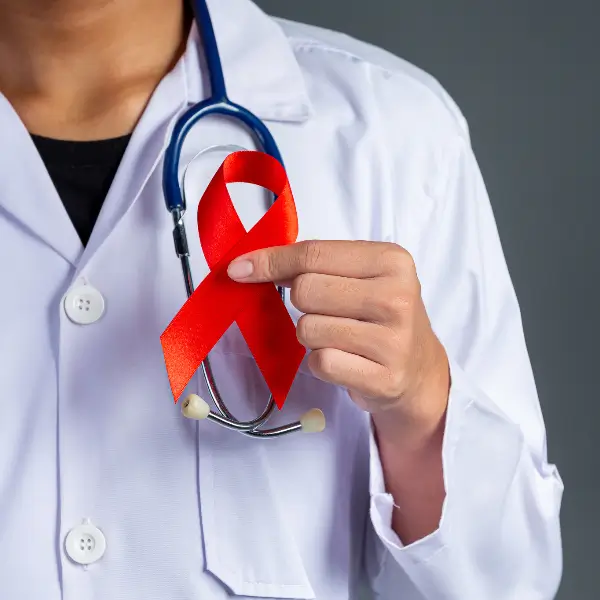
HIV Preventive Care
(PrEP & PEP)
PrEP (Pre Exposure Prophylaxis) is a once daily medication that dramatically reduces the risk of HIV transmission when taken as prescribed. It is ideal for individuals who may be at ongoing risk and want consistent protection with regular follow up and lab testing.
Before prescribing PrEP, it is essential to take an HIV test, because if someone already has HIV, the virus can mutate. When this happens, the regular medications used to treat HIV may stop working, and the infection can become very difficult or even impossible to treat. That is why HIV testing is always required before starting PrEP.
PEP (Post Exposure Prophylaxis) is an emergency medication course taken within 72 hours after possible HIV exposure. Early access and proper monitoring are essential for the best protection and outcome.
All visits are completely confidential and conducted by licensed medical professionals experienced in sexual health care.
We provide education, lab testing, and medication management in a safe, nonjudgmental environment.
Our Prevention Program Also Includes:
HIV and STD testing
Medication adherence support
Regular blood work and kidney function monitoring
Counseling on safe practices and sexual wellness
Coordination with local pharmacies for easy PrEP refills
Our office is LGBTQ+ friendly and serves everyone from all backgrounds and communities in Brooklyn and beyond. We are certified in HIV prevention, sexual health, and community health outreach, providing an inclusive and supportive medical space for every patient.
Frequently Asked Questions
What is PrEP and how does it work?
PrEP is a preventive medication that protects against HIV before exposure. When taken regularly, it builds a steady level of medicine in your body, blocking the virus from establishing infection.
Why must you test for HIV before starting PrEP?
PrEP is only for people who do not have HIV. If someone already has HIV and starts taking PrEP, the virus can mutate and become resistant to treatment. That makes it very difficult or even impossible to control the infection with regular HIV medicines. This is why every patient must take an HIV test before receiving a PrEP prescription.
What is the difference between Truvada and Descovy?
Both medicines protect you from HIV, but they are slightly different versions of the same main ingredients: emtricitabine and tenofovir.
Truvada (F/TDF) is the older version. It works for everyone, including men, women, transgender people, and people who inject drugs. It can affect the kidneys a little more, so doctors use it only if your GFR (glomerular filtration rate) is 60 or higher.
Descovy (F/TAF) is a newer version that is easier on your kidneys and bones. It can be used if your GFR is 30 or higher, but it is approved only for cisgender men and transgender women who have sex with men. It has not yet been approved for women who have vaginal sex or for people who inject drugs.
What is GFR
GFR means glomerular filtration rate, which shows how well your kidneys clean your blood.
A normal GFR is between 90 and 120.
If your GFR is below 60, your kidneys are working slower than normal, and some medicines like Truvada may not be safe for you.
If your GFR is below 30, your kidneys are too weak to handle these medicines at all.
That is why we always check your GFR with a blood test before starting PrEP to make sure your kidneys can safely filter the medicine out of your body.
When does PrEP start working?
For anal sex, PrEP becomes protective after 7 days of daily use.
For vaginal sex, it takes about 21 days.
There is also an event based option called 2 1 1 PrEP, where pills are taken around the time of sexual activity instead of every day.
What is the 2 1 1 PrEP method?
Take 2 tablets 2 to 24 hours before sex, then 1 tablet 24 hours later, and 1 more tablet 24 hours after that.
This method is for men who have sex with men and is not yet approved for women or people who inject drugs.
What is PEP and how should it be taken?
PEP (Post Exposure Prophylaxis) is an emergency HIV prevention treatment started after a possible exposure to HIV.
It must be started as soon as possible, ideally within 24 hours and no later than 72 hours after exposure.
PEP is usually a 28 day course of HIV medicines such as Truvada (emtricitabine tenofovir) combined with Tivicay (dolutegravir) or Isentress (raltegravir).
Another approved option includes a single tablet regimen containing bictegravir, emtricitabine, and tenofovir (Biktarvy).
Should PEP be taken with or without food?
PEP can be taken with or without food, but it is best to take it at the same time every day.
Taking it with food may help reduce stomach upset or nausea.
Is there an injectable form of PrEP?
Yes, Apretude (Cabotegravir) is given as an intramuscular injection in the gluteal muscle. The first dose is followed by another after 4 weeks, and then every 8 weeks.
What do cisgender, transgender, and nonbinary mean?
- A cisgender person identifies with the gender they were assigned at birth.
- A transgender person identifies as a different gender than the one assigned at birth.
- A nonbinary person does not identify strictly as male or female.
- Our office respects all gender identities and provides a safe, inclusive, and affirming environment for everyone.
What if I cannot afford PrEP or PEP?
If you do not have insurance or cannot afford your medication, you may qualify for programs like PrEP Assistance Program (PrEP AP) or Ready Set PrEP, which provide PrEP at low or no cost.
For HIV treatment, the Ryan White HIV AIDS Program offers comprehensive care and medication coverage for uninsured patients. Our team can help you apply.
What is a Syndemic?
A syndemic happens when two or more health conditions interact and make each other worse, for example HIV with depression or hepatitis. Our care approach looks at your physical and mental health together.
How often should I follow up?
Every three months for lab work, prescription renewal, and general health check ins.
Did You Know?
- PrEP reduces HIV risk by more than 99 percent for anal sex when taken correctly, and it also significantly lowers risk for vaginal sex.
- Modern RNA HIV tests can detect infection as early as 7 to 10 days after exposure, while 4th generation tests usually detect infection within 14 to 21 days.
- PrEP does not protect against other STDs but helps reduce anxiety and improve overall quality of life.
- People living with HIV who take medication and maintain an undetectable viral load cannot transmit the virus to others.